Are you dreaming of hitting the open road in your RV, exploring new destinations, and creating unforgettable memories? Before you set off on your adventure, there’s one crucial element you need to consider: RV insurance.
You might wonder why it’s necessary or how much it will cost. Understanding the ins and outs of RV insurance can feel overwhelming, but don’t worry—this article is here to make it simple. Imagine the peace of mind you’ll have knowing that you, your loved ones, and your cherished RV are protected.
No more worrying about unexpected expenses or mishaps. By breaking down the costs of RV insurance, you’ll gain clarity and confidence in choosing the right coverage for your needs. You’ll discover exactly what factors influence the price and how you can potentially save money. Stay with us as we unravel the details of RV insurance costs, empowering you with knowledge that could make your travels stress-free and enjoyable. Let’s dive in and explore how you can safeguard your adventures without breaking the bank.
Factors Influencing Rv Insurance Costs
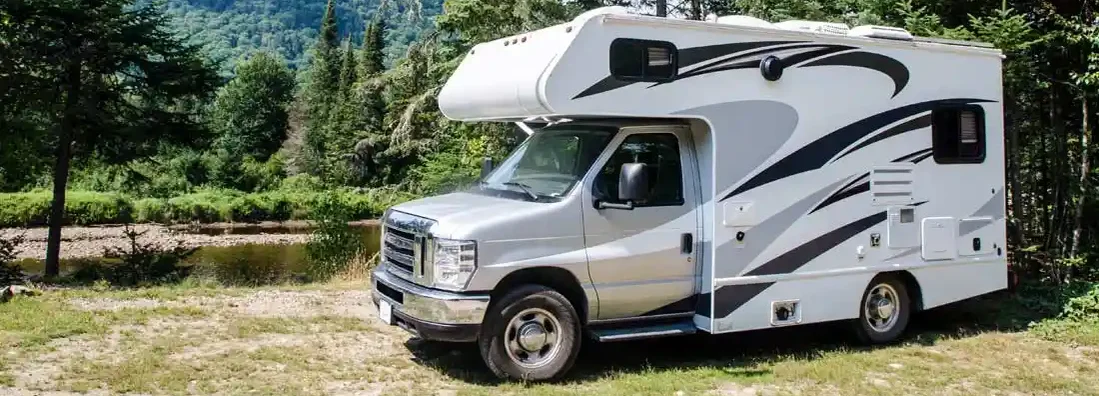
The type and model of your RV affect insurance costs. Larger RVs are more expensive to insure. Older models may cost less. Luxury features increase costs. Simple models may have lower premiums. Choose wisely.
How often you use the RV matters. Frequent use means higher risk. Insurance costs go up. Less use means lower risk. Costs may decrease. Use frequency affects premium rates.
Your location plays a big role. Some places have higher theft rates. Accidents may be more common. Insurance costs are higher there. Safe areas may have lower costs.
Age and experience are important. Younger drivers may pay more. Experienced drivers often pay less. Insurance companies prefer safe drivers. Good records may lower costs.
Types Of Rv Insurance Coverage
Liability coveragepays for damage you cause. It covers other people’s property. It also covers their injuries. This is required in most places. It helps protect your wallet. Without it, you might pay lots of money.
Collision coveragehelps if your RV hits something. It pays for damage to your RV. Even if you hit a tree or another car. This coverage makes repairs easier. It is not required but very useful.
Comprehensive coveragehelps with non-collision damage. Things like theft or a storm. It also helps if a tree falls on your RV. This coverage protects from many risks. It is good for peace of mind.
Uninsured and underinsured motorist coveragehelps if someone hits you. If they do not have enough insurance. It covers your injuries and damage. This is important if others can’t pay. It keeps you safe on the road.
Additional Coverage Options
Exploring RV insurance cost breakdown reveals diverse additional coverage options. Liability, collision, and comprehensive coverage are essential. Optional extras like roadside assistance enhance protection.
Roadside Assistance
RV breakdowns can be stressful. Roadside assistance helps in emergencies. It covers towing and minor repairs. This can save you time and money. Peace of mind on long trips.
Personal Effects Coverage
Your personal items need protection too. Personal effects coverage insures belongings inside the RV. Cameras, clothes, and more. Feel secure knowing your items are safe.
Full-timer Coverage
Living in an RV full-time is unique. Full-timer coverage is like home insurance. It covers personal liability and medical expenses. Essential for those who live on the road.
Vacation Liability
Vacation liability covers accidents at your campsite. Protects if someone gets hurt. This coverage is important during holidays. Ensures fun without worry.

Cost-saving Tips For Rv Insurance
Bundling your RV insurance with other policies can save money. For example, consider bundling with your home or auto insurance. Many insurance companies offer discounts for this. This method can lead to significant savings. Always ask your provider about bundling options.
A higher deductible can lower your premium. This means you pay more out-of-pocket if something happens. But your monthly payment becomes less. It’s a smart way to reduce costs. Ensure you can afford the deductible before choosing this option.
A clean driving record can help you get better rates. Avoid accidents and traffic violations. Drive safely and follow traffic rules. Insurance companies reward safe drivers. They often offer lower premiums for those with a good record.
Safety devices make your RV safer. Consider installing alarms and GPS systems. These devices can lower the risk of theft. Insurance companies may offer discounts for safety devices. It’s a smart investment for your RV.
Comparing Insurance Providers
Good customer service is very important. Always check how quickly companies reply. Do they help solve problems fast? Look for friendly and clear communication. This makes a big difference. A company that cares about you is a good choice.
Strong financial health means a company can pay claims. Check their credit ratings. Stable companies are safer. You can trust them to be there when needed. Choose wisely. Reliable companies offer peace of mind.
Reviews tell you a lot. Customers share their real experiences. Look for positive feedback. Also, note the negative ones. Balance both to get a clear picture. Honest reviews help in making decisions.
Flexible policies fit different needs. Some offer customizable options. You can add or remove coverage. This is useful if plans change. A flexible policy keeps you covered, no matter what happens.
Common Myths About Rv Insurance
Many think auto insurance covers RVs. This is not true. RVs need special RV insurance. It covers more than just driving. You need it for camping and living too. Auto insurance does not cover your RV’s special needs. Always check with your provider.
Some people believe RV insurance does not cover personal stuff. This is a myth. RV insurance often covers personal belongings. Items like clothes, electronics, and kitchen tools are included. Always read your policy details. Make sure your things are protected.
Many think you only need RV insurance in summer. This is false. RVs need insurance year-round. Even when not in use, risks exist. Damage can happen in storage too. Keep your RV insured at all times. This saves money and stress.
Some think total loss replacement is automatic. It is not. Total loss replacement is a special add-on. It covers your RV if it’s a total loss. Without it, you may get less money back. Always ask about this extra coverage. It can make a big difference.
Frequently Asked Questions
What Factors Affect Rv Insurance Cost?
RV insurance costs vary based on several factors. These include the RV’s type, its value, and how you use it. Your driving history and location also play roles. Insurers consider these elements to calculate your premium. Understanding these can help you find better rates.
How Can I Reduce My Rv Insurance Premium?
To lower your RV insurance costs, consider increasing your deductible. Maintaining a clean driving record also helps. Bundling policies with the same insurer can offer discounts. Installing safety features in your RV may also reduce costs. Regularly reviewing your policy ensures you’re getting the best deal.
Is Rv Insurance Mandatory?
RV insurance is mandatory in most states. It ensures coverage for accidents and damages. Liability coverage is usually required by law. However, additional coverage options are available. These depend on personal needs and RV type. Always check state regulations to stay compliant.
Does Rv Insurance Cover Full-time Living?
Not all RV insurance policies cover full-time living. If you live in your RV full-time, you need specialized coverage. This is similar to a homeowner’s policy. It offers protection for personal belongings and liability. Always disclose your living situation to ensure proper coverage.
Conclusion
Understanding RV insurance costs helps you make smart choices. It can save you money. Consider coverage options that suit your needs. Compare prices from different providers. Always check for discounts. This ensures you get the best deal. Plan your budget wisely.
Protect your investment with the right insurance. It gives peace of mind on the road. Don’t forget to review your policy regularly. Stay informed about changes in the market. A little research goes a long way. Happy travels with your RV!
Read More:
- Commercial Property Insurance Calculator: Maximize Savings Today
- Cheap Whole Life Insurance for Youth: Secure Future Today
- Cost of Universal Life Premiums: Your Guide to Affordability
- Convertible Term Life Policy Benefits: Unlock Financial Security
- Best Car Insurance Rates 2025: Unlock Savings Now!
- Professional Liability Insurance Cost: Essential Budget Tips
- Affordable Motorcycle Insurance USA: Save More, Ride More
- Choosing the Right Family Deductible: A Smart Guide